Learning contract bridge is often viewed as a daunting challenge due to its intricate rules and vast strategic depth. Many beginners feel anxious when introduced to the extensive language of bidding systems and complex card play mechanics. However, breaking down the educational process into manageable milestones can turn this legendary mind sport into an accessible and deeply enjoyable hobby.
Start with the Mechanics of Trick Taking
Before diving into the complex world of bidding, newcomers should focus entirely on how a basic hand is played out. Understanding core concepts like following suit, establishing trumps, and winning tricks provides a solid foundation without adding unnecessary cognitive pressure. Practicing with simplified variations allows your brain to build natural card sense before any formal rules are introduced.
Many novice players find it helpful to look up strategic tutorials via a trusted m88 link 2 to build up their basic cognitive endurance. Focusing on the physical flow of the cards helps eliminate early frustration and keeps the learning curve smooth. Once you feel comfortable tracking card distributions, you can confidently take the next step.
Deconstruct the Bidding Language Slowly
The auction phase is frequently the primary source of confusion for individuals trying to master bridge games. Instead of memorizing dozens of complex conventions all at once, beginners should prioritize natural bidding systems that rely on high card points. Think of the auction as a cooperative conversation where you and your partner slowly describe your hand strengths.
Misunderstandings will inevitably happen during your first few sessions, but these errors should be treated as valuable lessons rather than stressful failures. Focusing on a single fundamental agreement prevents information overload and keeps your training organized. Mastery over standard opening bids establishes the confidence needed for competitive environments.
Embrace the Support of Digital Platforms
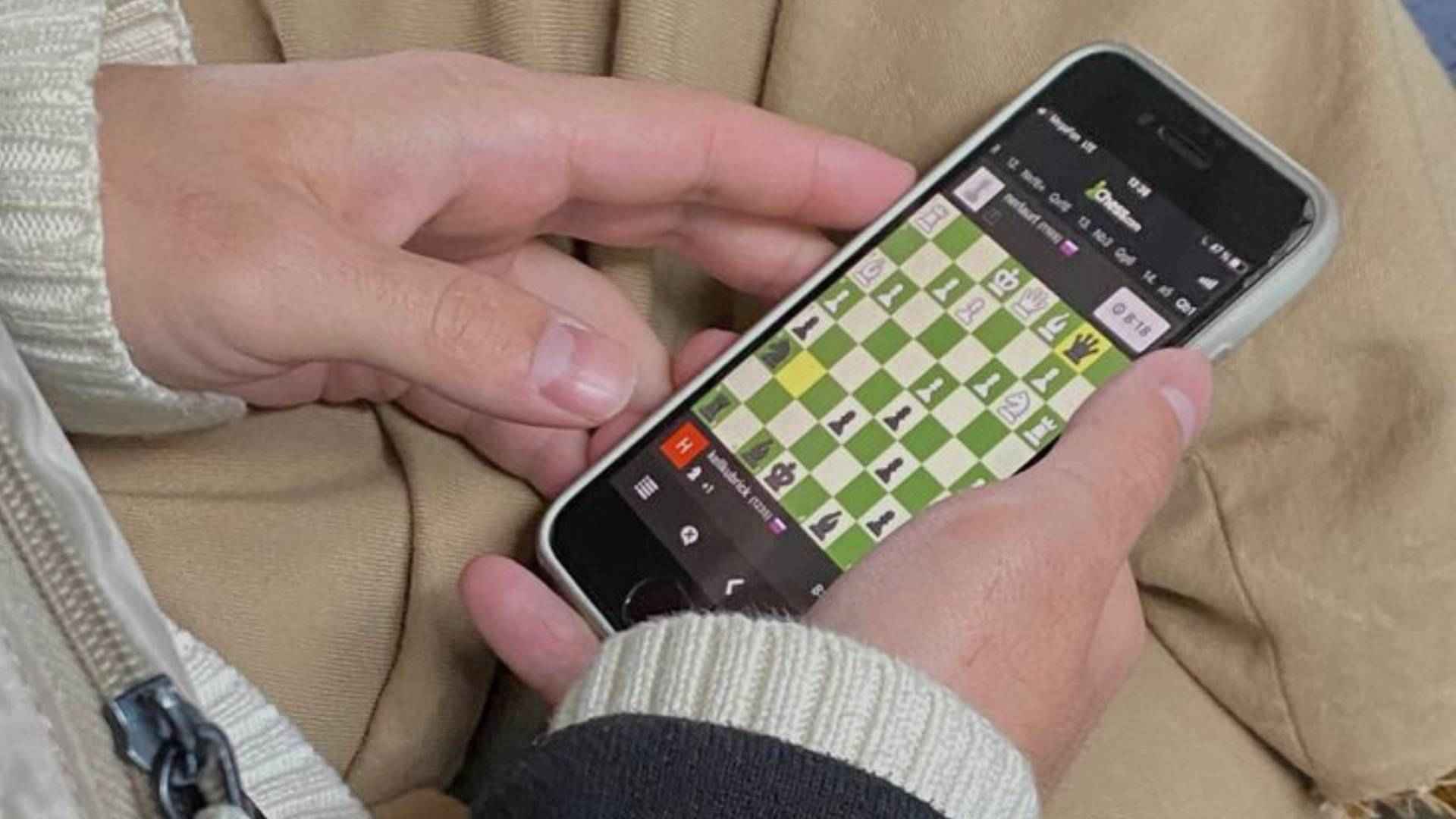
Modern technology has completely revolutionized how new enthusiasts can practice card games safely from the comfort of home. Online simulators and mobile applications allow you to play at your own comfortable pace without the pressure of live opponents watching your choices. Automated scoring systems handle the mathematical calculations instantly so you can concentrate entirely on your tactical development.
Using digital tools also opens up opportunities to review past hands and analyze where your defensive logic might have faltered. Consistent daily practice against computer programs builds muscle memory and helps demystify complex card movements. By pacing your educational journey, you will find that bridge is an extraordinarily rewarding pursuit.