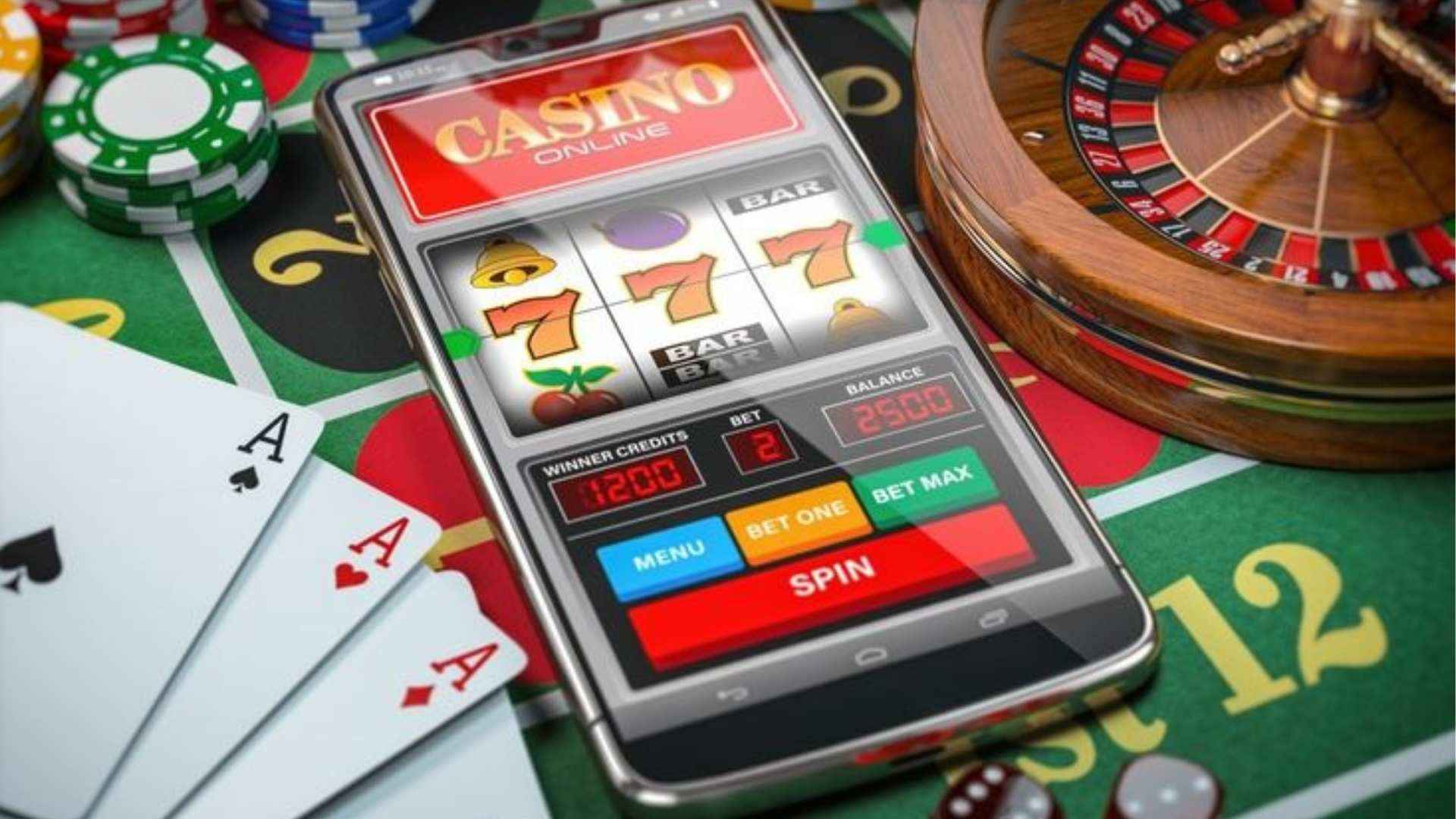
Keno has evolved from its traditional, slow-paced roots into a dynamic game where draw speed plays a crucial role in shaping the player experience. In modern gaming environments, the rate at which numbers are selected dictates not only the rhythm of play but also how participants manage their sessions. Understanding the implications of this velocity helps enthusiasts choose the ideal format for their personal style and goals.
The Spectrum of Keno Game Speeds
Traditional land-based keno lounges typically operate at a relaxed pace, scheduling drawings every few minutes to allow social interaction and ticket checking. On the other end of the spectrum, digital adaptations and video keno terminals deliver near-instantaneous results at the push of a button. This wide variation in pacing fundamentally changes the nature of the game, transforming it from a passive pastime into an active, engaging pursuit.
Slower formats offer an opportunity to savor the anticipation and reflect on selection choices between rounds. Conversely, rapid-fire variations cater to modern audiences seeking immediate feedback and quick entertainment windows. Recognizing where a specific game falls on this spectrum is the first step toward tailoring your gameplay approach.
How Draw Speed Impacts Session Volume
The most direct consequence of increased draw speed is the sheer number of rounds a player can complete within a fixed timeframe. In a traditional setting, a casual player might participate in a dozen draws over the course of an hour. In contrast, high-speed electronic versions can easily compress that same volume into a matter of minutes.
This acceleration demands a shift in awareness regarding how quickly wagers accumulate over time. While the cost per card might remain identical, the velocity of play means that your overall engagement level increases exponentially. Responsible participants adjust their individual unit stakes downward when transitioning to these faster variants to maintain a balanced experience.
Psychological Factors and Decision Making
Draw speed also exerts a powerful influence on individual decision-making processes and the overall psychological landscape of the game. Fast-paced action can heighten engagement, keeping players immersed as numbers flash across the digital interface in rapid succession. This environment rewards quick reflexes and an automated approach to ticket selection, such as utilizing computerized random number generators.
For those who prefer a more calculated or superstitious approach to choosing their numbers, high-speed formats can sometimes feel overwhelming. Many seasoned players prefer to utilize a secure M88 link login to explore a variety of gaming paces, ensuring they can select an interface that aligns with their comfort level. Finding a rhythm that matches your natural cognitive speed prevents fatigue and keeps the entertainment value high.
Strategic Considerations for Different Paces
While keno remains inherently a game of pure chance driven by random mathematical probabilities, the speed of the draws alters how you execute your session plan. In rapid formats, automated tools like auto-play or re-bet features become highly practical assets for maintaining continuity. These features allow you to focus entirely on the outcome of the draw without the friction of manual inputs between rounds.
For traditional, slower variations, the strategy shifts toward pacing yourself and enjoying the broader casino atmosphere or multi-tasking during intervals. Ultimately, neither velocity is objectively superior, as each caters to distinct player preferences and situational needs. Balancing your bankroll strategy with the inherent speed of your chosen game is the ultimate key to a rewarding keno experience.